Call Now Free Quote
Call Now Get Quote
(786) 756-0259 Mon–Sun 7am–7pm All Miami-Dade County
FDACS Licensed & Insured

Termite Control in Miami, FL — Licensed Inspection & Treatment

Miami's climate creates year-round termite pressure. Our FDACS-licensed technicians eliminate Drywood, Subterranean, and Formosan termites — with guaranteed results and same-day inspections available.

FDACS Licensed & Insured Same-Day Inspections Available Satisfaction Guaranteed Serving All of Miami-Dade
4.9 / 5.0  ·  340+ Reviews
FDACS Licensed
Fully Insured
Same-Day Available
1,200+ Homes Protected

Miami's Termite Problem Is Worse Than Most Homeowners Realize

Florida leads the nation in termite activity — and Miami-Dade County sits at the epicenter. With year-round warmth, high humidity, and aging housing stock, this region hosts multiple aggressive termite species simultaneously.

Termites cause an estimated $5 billion in property damage annually across the US — and Florida accounts for a disproportionate share. Unlike northern states where cold winters suppress termite populations, Miami provides ideal breeding conditions 12 months a year.

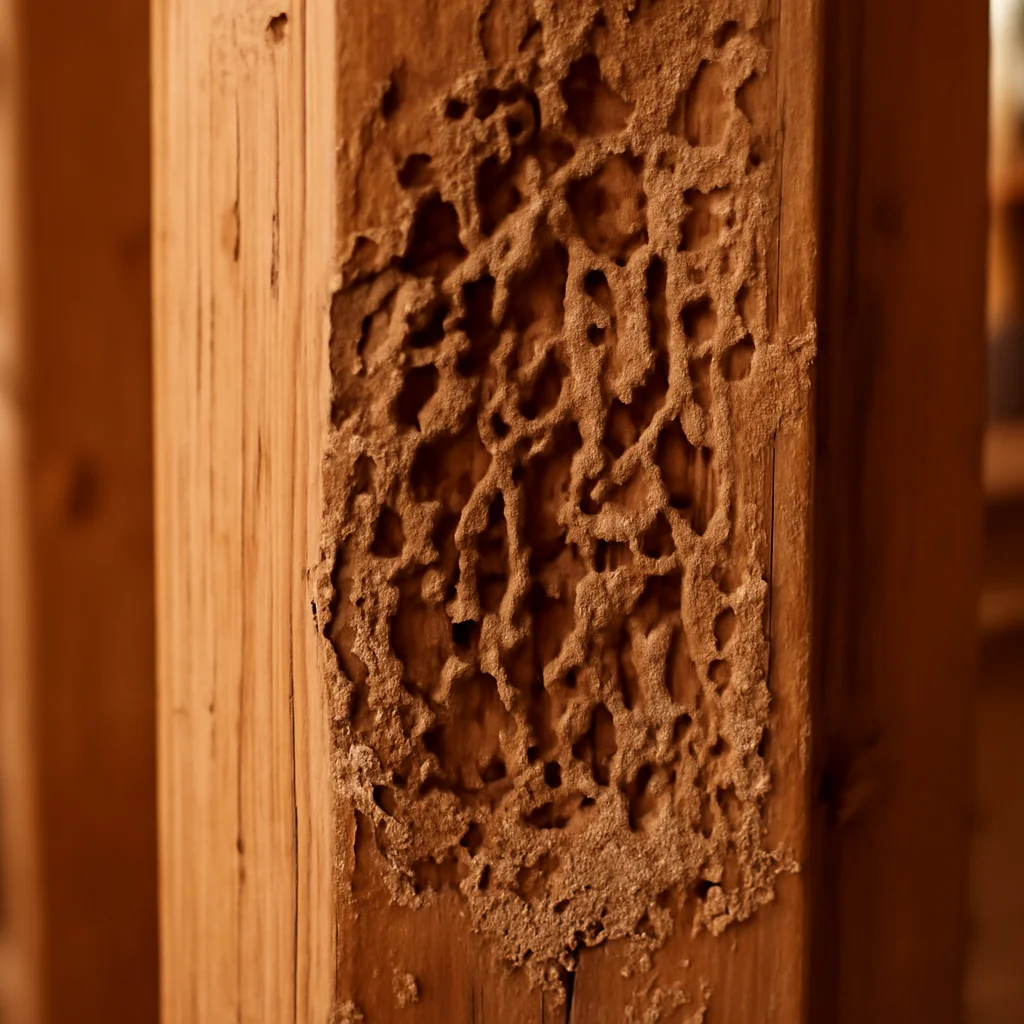
Most damage occurs invisibly, inside walls and under floors, before any visible signs appear. By the time homeowners notice hollow wood or mud tubes, structural damage is often already extensive. Early detection and professional treatment are the only reliable defense.

Miami-Dade Fact: South Florida is one of the only regions in the US where Formosan subterranean termites and Drywood termites are both established and active simultaneously — meaning homes can face two infestations at once.
Schedule Your Free Inspection
Termite damage to wood structure in Miami home — professional termite inspection

Emergency Termite Inspection

Found signs of termite activity? Don't wait. We offer same-day emergency inspections across Miami-Dade.

Call (786) 756-0259

Termite Species Found in Miami-Dade

Miami hosts four primary termite species — each requires a different treatment approach. Correct identification is the first step to effective elimination.

Eastern Subterranean Termite

The most widespread termite species in the US, found throughout Miami-Dade. Colonies live in soil and enter structures through mud tubes. Can number in the hundreds of thousands and consume wood 24/7. Require liquid soil barrier or baiting treatments.

Formosan Subterranean Termite

The most aggressive and destructive termite species in the US. Established throughout South Florida, Formosan colonies can contain millions of workers and cause severe structural damage within months. Their aggressive behavior requires specialized treatment protocols.

West Indian Drywood Termite

Common in Miami attics, wooden furniture, and framing. Unlike subterranean species, Drywood termites need no soil contact — they live entirely within the wood they eat. Identified by their distinctive fecal pellets (frass). Treated with fumigation or heat treatment.

Asian Subterranean Termite

An invasive species increasingly established in Miami-Dade. Uniquely, Asian subterranean termites can form aerial colonies above ground without soil contact, making them more difficult to detect and treat. Their presence is expanding in South Florida coastal areas.

Signs of Termite Infestation in Your Miami Home

Many Miami homeowners discover termite damage only during renovations or real estate inspections — by which point thousands of dollars in structural repair may be needed. Knowing the warning signs gives you a critical head start.

  • Mud tubes — pencil-width tunnels along foundation walls, piers, or joists (subterranean species)
  • Frass (drywood pellets) — small, hexagonal, sand-like droppings near wood (drywood species)
  • Discarded wings — piles of translucent wings near windowsills and door frames after a swarm
  • Hollow-sounding wood — tap structural beams or flooring; a hollow thud indicates internal damage
  • Bubbling or darkened paint — moisture from termite activity causes paint to bubble or peel
  • Sticking doors and windows — tunneling inside frames warps wood and causes doors/windows to bind
  • Visible termite swarmers — winged alates swarming in spring and fall (especially after rain in Miami)
  • Sagging floors or ceilings — advanced structural damage causes floors to feel spongy or ceilings to bow

Don't wait for visible damage. Termites are cryptic feeders — they consume wood from the inside out. By the time you see surface signs, the colony has typically been active for 1–3 years. Free inspection takes 45 minutes and covers your entire structure.

When Do Termites Swarm in Miami?

  • Spring (Feb–May): Eastern Subterranean swarms after rain, usually in the morning
  • Summer (May–Aug): Formosan swarms at dusk, often around lights
  • Fall (Sep–Nov): Drywood swarms during warm, dry days
  • Year-round: Miami's warmth means swarms can occur any month

Why Miami Homes Face Elevated Termite Risk

Miami's geography and climate create conditions that are nearly ideal for termite survival and reproduction — factors that don't exist to the same degree anywhere else in the continental US.

Year-Round Warmth

Miami's subtropical climate means termites never experience the winter dormancy that suppresses populations in northern states. Colonies grow and feed 365 days a year.

High Humidity

Miami averages 75%+ relative humidity. Moisture softens wood and attracts subterranean termites. Homes without proper vapor barriers and drainage are especially vulnerable.

Aging Housing Stock

Many Miami-Dade neighborhoods contain homes built in the 1950s–1980s with untreated wood framing. Older construction lacks modern termite-resistant materials and soil pre-treatment.

Invasive Species Pressure

Miami's ports and international travel routes have introduced invasive termite species, including Formosan and Asian subterranean, which are more aggressive than native species.

Dense Urban Landscape

Miami's closely built neighborhoods allow termite colonies to spread from structure to structure through shared soil, root systems, and mulch beds — accelerating the speed of infestation.

Termite Treatment Options for Miami Homes

The right treatment depends on the termite species, infestation severity, and your home's construction type. Our inspection determines the most effective approach for your situation.

Drywood Termites

Tent Fumigation (Structural)

The most thorough method for widespread drywood termite infestations. Your home is tented and filled with fumigant gas (Vikane/sulfuryl fluoride) that penetrates all wood. Effective against all stages — eggs, larvae, workers, and reproductives. Requires 2–3 day vacancy.

Subterranean Termites

Liquid Soil Barrier (Termidor)

Termidor (fipronil) is applied as a continuous liquid barrier around your foundation. Termites can't detect it, so they pass through and carry it back to the colony — eliminating the entire colony within 90 days. Barrier lasts 5–10 years.

Subterranean Termites

Baiting Systems (Sentricon)

In-ground bait stations are installed around the perimeter. Worker termites find bait and carry it to the colony, eliminating it over time. Ideal for sensitive situations (near wells, water features) or as an ongoing monitoring system. Annual service required.

Localized / Drywood

Spot / Direct Wood Treatment

For localized drywood infestations, accessible wood members are treated with borates (Tim-bor, Boracare) or injected with foam. Non-invasive option when infestation is contained to one area. Often combined with orange oil for visible kick-outs.

Drywood — No Chemicals

Heat Treatment

Heated air is forced through the structure to raise wood core temperatures to 120°F — lethal to all termite life stages. Chemical-free option preferred by some homeowners. Effective for drywood termites, not subterranean species. No re-entry waiting period.

New Construction

Pre-Construction Soil Treatment

Preventive liquid treatment applied to soil before slab pour during construction. Creates a chemical barrier in the ground before the structure is built. Required by Florida Building Code for new construction in high-risk areas of Miami-Dade.

Get a Free Termite Treatment Quote

Our Termite Inspection & Treatment Process

From your first call to a fully protected home, our process is designed to be thorough, transparent, and minimally disruptive to your daily routine.

  1. 1

    Schedule Your Free Inspection

    Call or submit the form. A licensed technician will confirm your appointment — same-day inspections available throughout Miami-Dade.

  2. 2

    Comprehensive 45-Minute Inspection

    We inspect all accessible areas: attic, crawlspace, foundation perimeter, wood framing, subfloor, window and door frames, and exterior wood. We use moisture meters and thermal imaging to detect hidden activity.

  3. 3

    Species Identification & Report

    We identify exactly which species are present, the extent of activity, and any existing structural damage. You receive a written report with photos before we recommend any treatment.

  4. 4

    Customized Treatment Plan

    Based on species, infestation level, and your home's construction, we recommend the most effective treatment option. We explain every option, cost, and timeline before scheduling.

  5. 5

    Treatment & Follow-Up

    Treatment is performed by licensed technicians using EPA-registered products. For most treatments, follow-up inspection is included at 30 and 90 days to confirm elimination.

  6. 6

    Annual Protection Plan

    Ongoing annual inspections and retreatment warranty keep your home protected year after year — the most cost-effective way to prevent future infestations in Miami's high-risk environment.

Your Free Inspection Covers:

  • Full exterior foundation inspection
  • Attic and subfloor inspection
  • Wood member tapping and probing
  • Moisture meter readings
  • Species identification
  • Written inspection report with photos
  • Treatment options & detailed quote
  • No obligation — zero pressure
Schedule Free Inspection

Termite Prevention for Miami Homes

Prevention is far less expensive than treatment. These steps reduce your home's vulnerability — but given Miami's termite pressure, professional annual inspections remain essential.

Control Moisture

Fix all plumbing leaks promptly. Ensure gutters drain away from the foundation. Use dehumidifiers in crawlspaces. Proper drainage is the single most effective termite deterrent.

Eliminate Wood-to-Soil Contact

Keep wood siding, door frames, and deck posts from contacting soil. Maintain an 18-inch clearance between soil and structural wood. Subterranean termites enter through direct soil contact.

Store Wood Away from Structure

Firewood, lumber, and wood debris stored against your home's exterior serve as a bridge for subterranean and Formosan termites. Store all wood at least 20 feet from the structure.

Seal Entry Points

Caulk gaps around utility penetrations, pipe entry points, and expansion joints. Termites can enter through cracks as thin as 1/64 of an inch. Annual inspection of seals is recommended in Miami.

Reduce Outdoor Lighting at Night

Formosan swarmers are strongly attracted to lights. During swarming season (May–August), switch to yellow/amber exterior bulbs and minimize bright white lighting near entry points.

Annual Professional Inspection

In Miami's termite environment, an annual licensed inspection is the most important preventive step. Early detection saves thousands in repair costs. Our annual plans include inspection + retreatment warranty.

Termite Control Service Areas in Miami-Dade

We provide termite inspections and treatment throughout Miami-Dade County — same-day service available in most areas.

Frequently Asked Questions — Termite Control Miami

Answers to the questions Miami homeowners ask most about termite inspection and treatment.

How much does termite treatment cost in Miami?

Termite treatment in Miami typically ranges from $400–$2,500+ depending on treatment type, infestation severity, and home size. Tent fumigation runs $1,200–$3,500 for an average home. Liquid barrier treatments range from $400–$1,200. We provide free inspections and detailed written quotes before any work begins.

How do I know if I have termites in my Miami home?

Common signs include mud tubes along foundation walls, hollow-sounding wood when tapped, discarded wings near windows and doors, small pellet-like frass near drywood termite colonies, and bubbling or discolored paint. Miami's humidity accelerates damage — early detection is critical. If in doubt, a free inspection is the fastest answer.

What is the difference between drywood and subterranean termites?

Drywood termites live inside the wood they eat — no soil contact needed. They're common in Miami's attics and wooden furniture, and are identified by their frass pellets. Subterranean termites (including Formosan) build colonies in soil and enter through mud tubes or direct wood contact. Both are destructive but require different treatments — this is why inspection and species ID come first.

Is tent fumigation required for termite treatment in Miami?

Not always. Tent fumigation is most effective for widespread drywood termite infestations involving multiple areas of the structure. For localized drywood infestations, spot treatments or heat treatment may suffice. For subterranean termites, liquid barriers or baiting are used — fumigation doesn't reach soil colonies. Our inspection determines the right approach for your situation.

How long does termite treatment last?

Liquid soil barrier treatments (Termidor) typically last 5–10 years. Tent fumigation eliminates existing drywood termites but does not prevent re-infestation — preventive borate treatment is recommended afterward. Baiting systems require annual maintenance. In Miami's high-risk environment, annual inspections are essential regardless of treatment history.

Are Formosan termites common in Miami?

Yes. Formosan subterranean termites are highly prevalent in South Florida, including throughout Miami-Dade. They form enormous colonies — potentially millions of workers — and are among the most destructive termite species in the world. A mature Formosan colony can destroy structural wood within months. Treatment with Termidor liquid barriers is the most effective approach currently available.

Do you offer termite warranties or protection plans?

Yes. We offer annual termite protection plans that include regular inspections, retreatment at no additional cost if termites return, and damage repair coverage options. An annual plan is the most cost-effective way to protect a Miami home long-term. Ask about plan details and pricing during your free inspection.

How soon after treatment can we return home?

For tent fumigation, re-entry is typically 24–72 hours after fumigation is complete and the structure receives safety clearance from our licensed fumigator. For liquid barrier and spot treatments, re-entry is usually same-day after the product has dried (typically 1–4 hours). For heat treatment, re-entry is immediate once temperatures return to normal. Your technician will provide a specific timeline at the time of treatment.

Other Pest Control Services in Miami

Comprehensive pest protection for Miami-Dade homes and businesses.

Pest Control Miami

Comprehensive cockroach, ant, spider, and general pest control for Miami-Dade homes and businesses.

Learn More

Termite Inspection Miami

WDO inspections for real estate transactions, pre-purchase, and annual monitoring. FDACS-licensed inspectors.

Learn More

Tent Fumigation Miami

Structural fumigation for widespread drywood termite infestations. Licensed fumigators serving all Miami-Dade.

Learn More

Commercial Pest Control

IPM-based pest management programs for offices, restaurants, warehouses, and commercial properties.

Learn More

Get Your Free Termite Inspection

No obligation. A licensed termite inspector will contact you within 60 minutes during business hours.

  • FDACS-licensed termite inspectors
  • Same-day inspections available
  • Written report + detailed quote included
  • No pressure — ever
1,200+Homes Protected
4.9★Average Rating
15+Years Experience
100%Satisfaction Guarantee

Don't Let Termites Destroy Your Miami Home

Every day without treatment is another day of invisible structural damage. Schedule your free inspection today and get the answers you need.